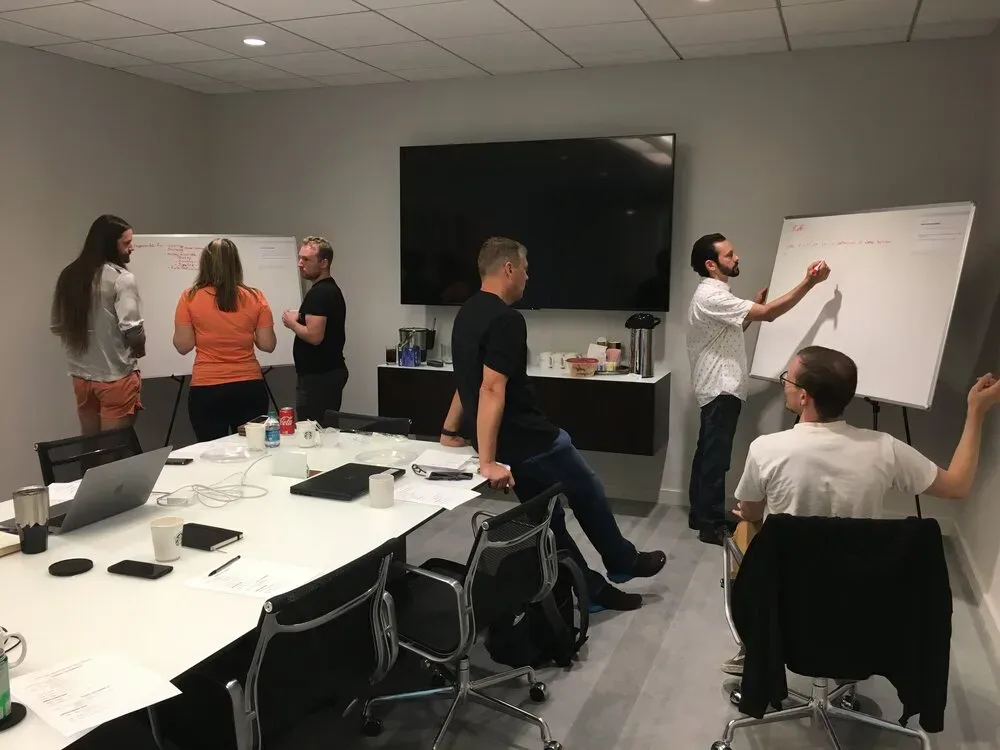
Design facilitation and user research across game development and XR product contexts — leading onsite workshops, research sprints, and working sessions that produced actionable design direction under real project constraints.
Design Facilitation
Date 2022
Company The Escape Game
Role Design and User Research
Context
BehaVR was building an XR program to treat social anxiety, and after a successful MVP playtest, needed a way to unify its disparate mechanics into a cohesive long-term user experience.
Process
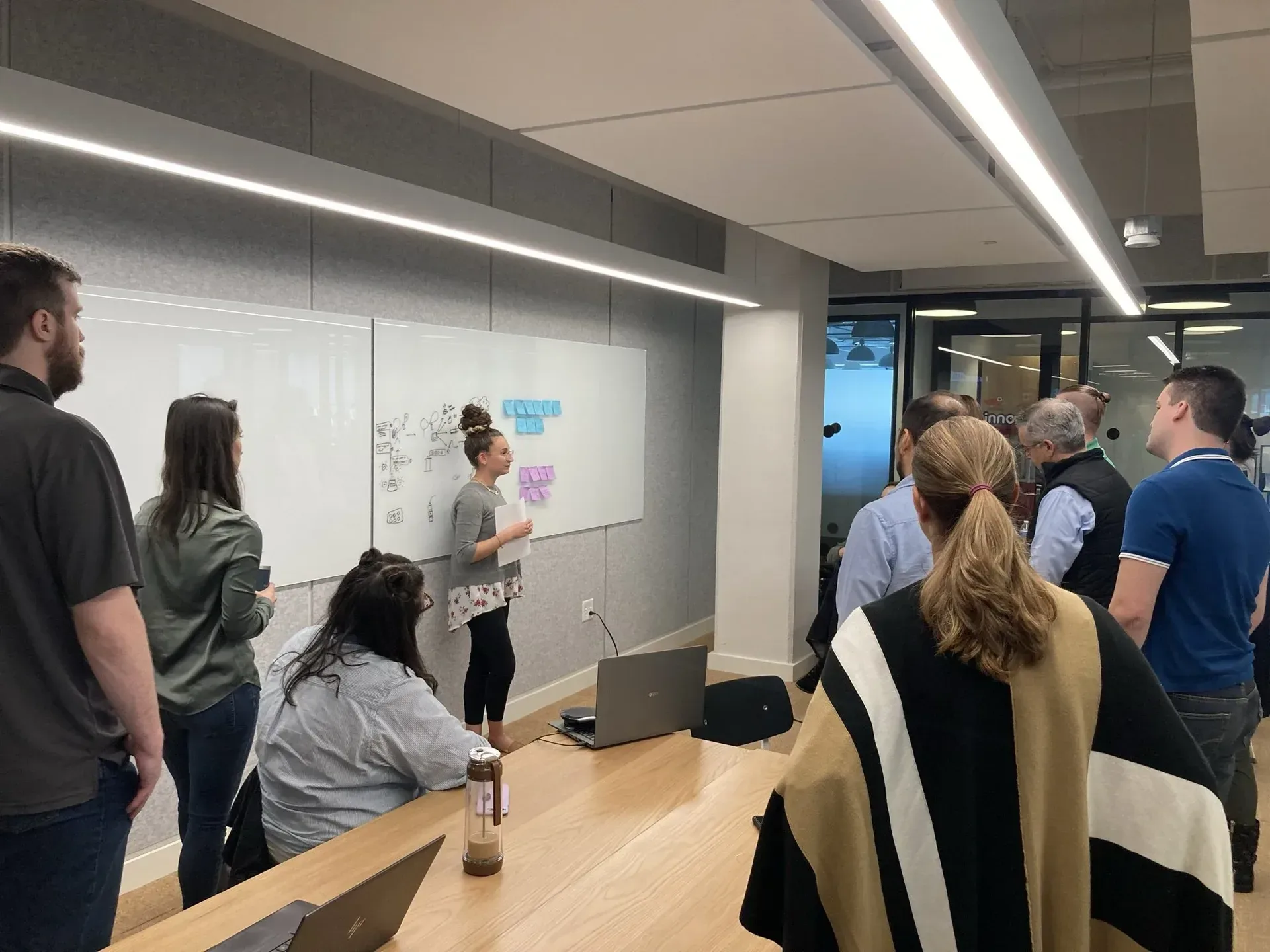
I co-led a two-day onsite workshop addressing three themes: engagement and habit formation, user progression, and narrative. To align participants across departments and with the client, we opened with a user empathy exercise — walking the group through interview excerpts with social anxiety sufferers and synthesizing them into structured need statements. This established a shared language for the targeted ideation that followed.
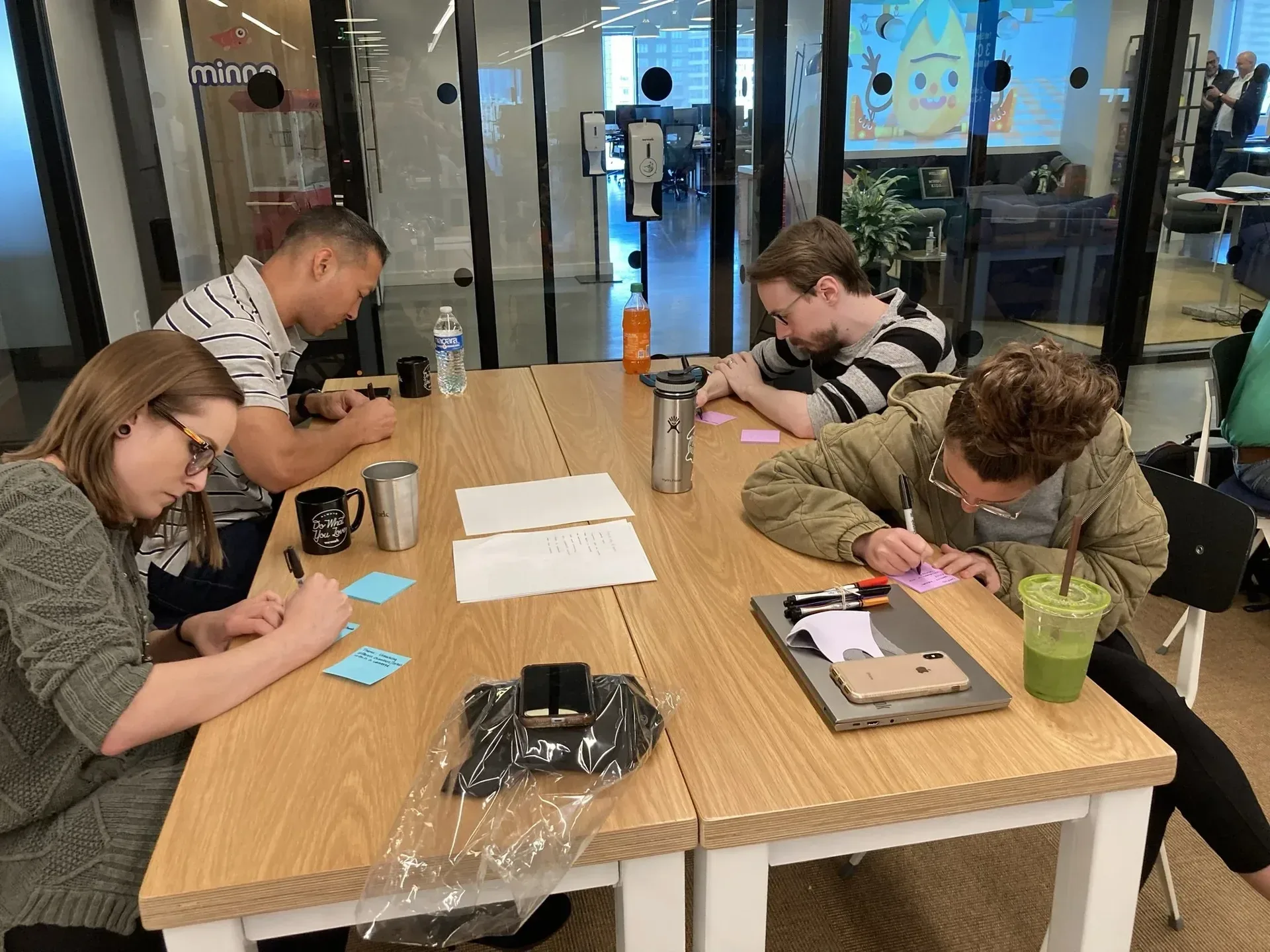
Each theme was addressed with activities tailored to the ideas we needed to generate: How Might We questions to frame new mechanics, brain writing to build on them collaboratively, a 10+10 sketch exercise to explore progression systems, and a mind-mapping session to develop a narrative framework tying everything together.
Outcome
I distilled the workshop’s outputs into six actionable workstreams — tactile VR progression, symbolic progression, daily check-ins, reminders and CTAs, hints and feedback, and new game mechanics — each scoped to produce testable prototypes. The result became the scaffolding for six months of design sprints, with clear goals that made it significantly easier to communicate intent to the client and executive team.
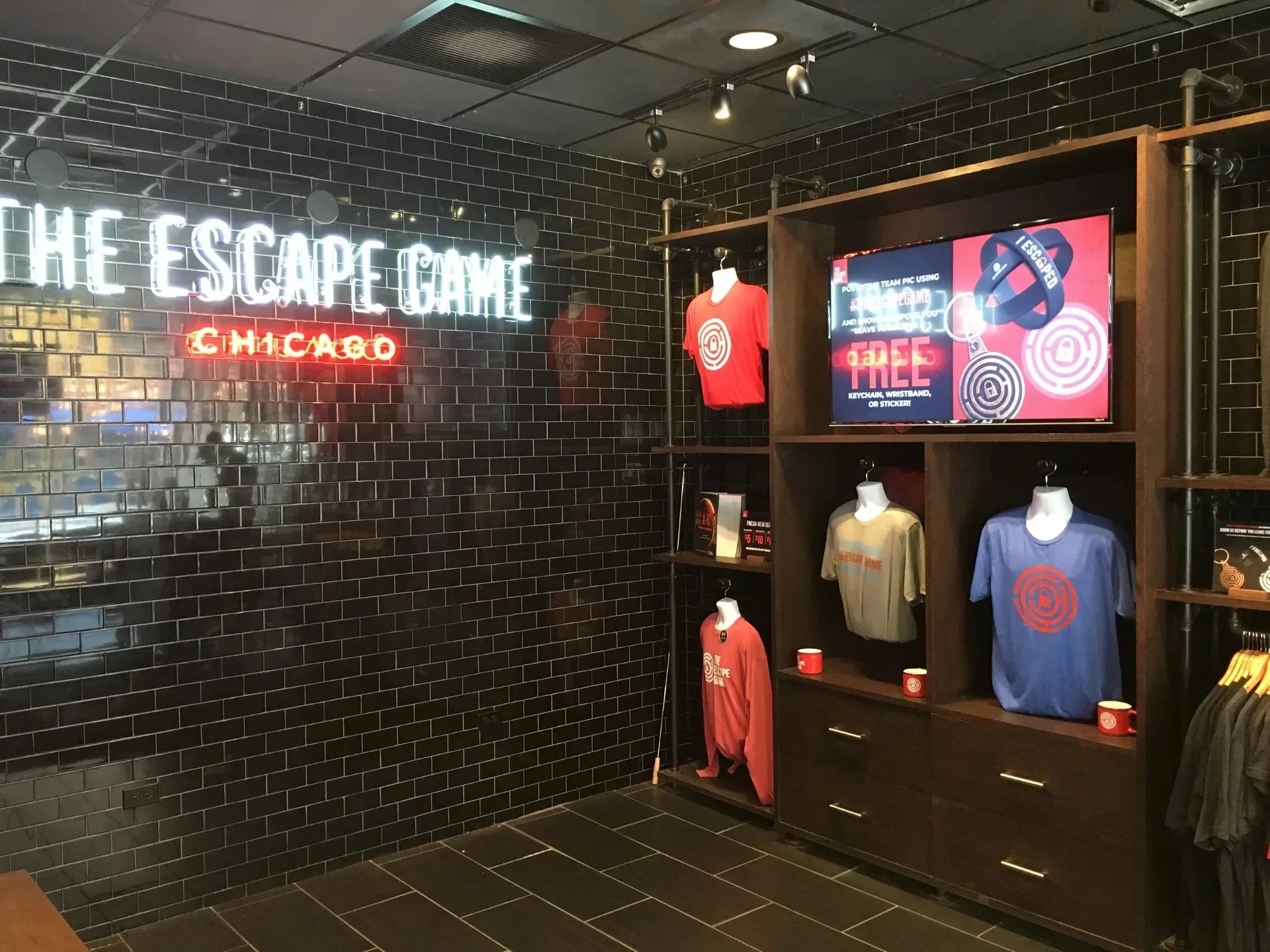
Retail Lobby, TEG Chicago
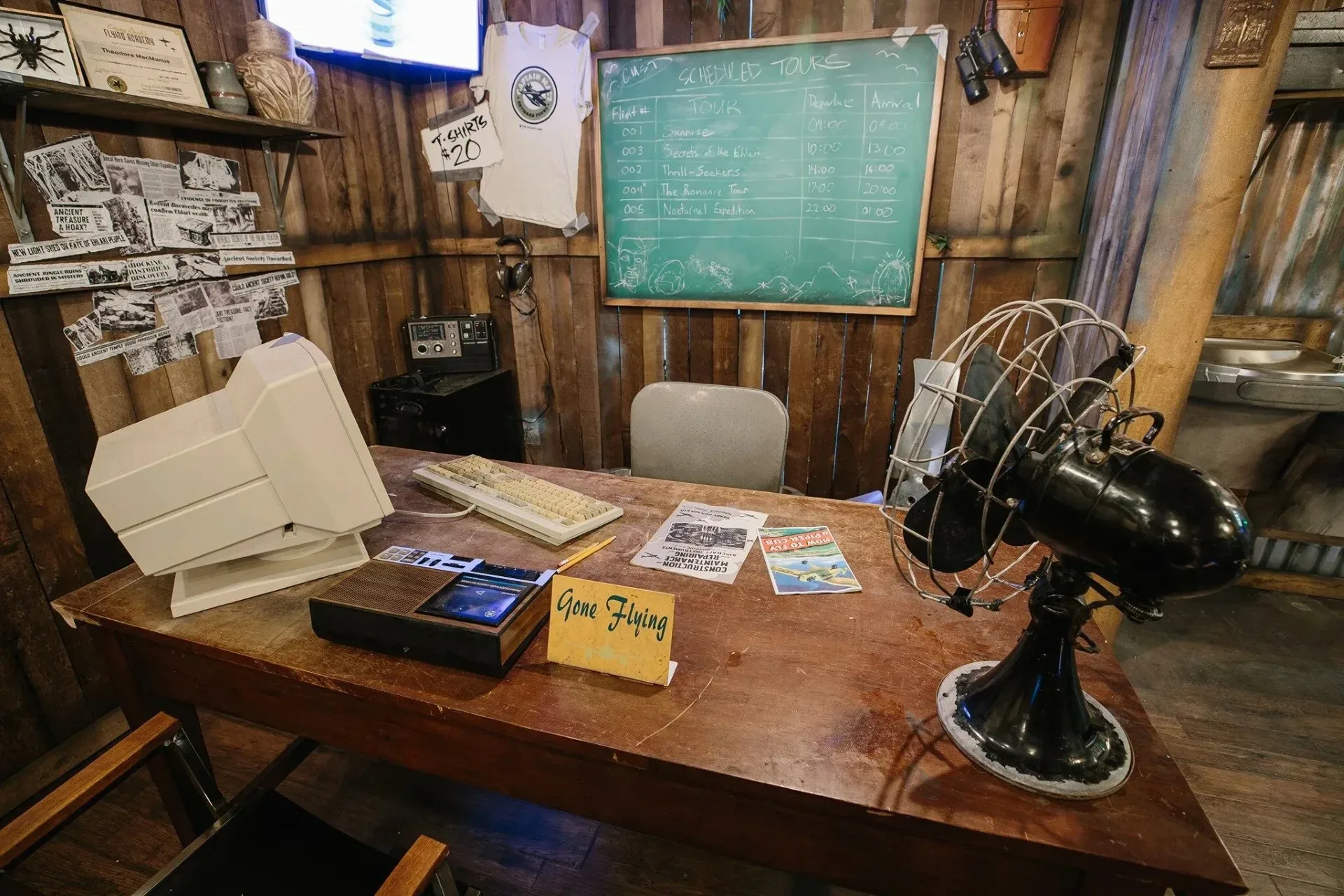
Immersive Lobby Designed for Flagship game Ruins
Date 2019
Company The Escape Game
Role Design and User Research
Context
The Escape Game planned a massive expansion of store locations nationwide and needed a better understanding of their target customer within a compressed timeline. Designs for future stores reflected a hypothesis that stores needed more production value and flair as soon as guests entered the lobby in order to intrigue and hook them into the experience.
Process
I proposed, planned, and led an accelerated user research sprint targetings store guests across three tiers of operation: small walk-in mall locations, medium outlet stores, and flagship destinations. To cover each tier, I visited stores in Nashville, Minneapolis, Chicago, and Houston.
My team performed user research at each location consisting of entry and exit interviews, hidden observation, and “undercover” visits where we visited the store anonymously and played through a game.
I collated responses and observations into a Customer Journey Map, with highlights for each tier of the store. I then presented our findings to the marketing and operations teams and facilitated brainstorm sessions to inform the redesign of new stores.
Outcome
We learned that a guests’ impression of The Escape Game depended on the tier of the store: walk-in guests in a mall location might not know what an escape game is, for example, while flagship locations attracted guests flying in specifically to play our games, and who therefore needed less onboarding and were more open to immersive experience upfront. As a result, we saved our “immersive Lobby” experiences for our flagship stores and streamlined smaller stores to allow game guides to introduce the concept to new guests, significantly reducing the proposed budget needed to launch new stores.
Date 2022
Company The Escape Game
Role Design and User Research
Context
The game design team at TEG was facing communication issues and decision-making bottlenecks that were disrupting the development of multiple games with looming launch dates, and damaging morale. I worked with department heads to seek solutions.
Process
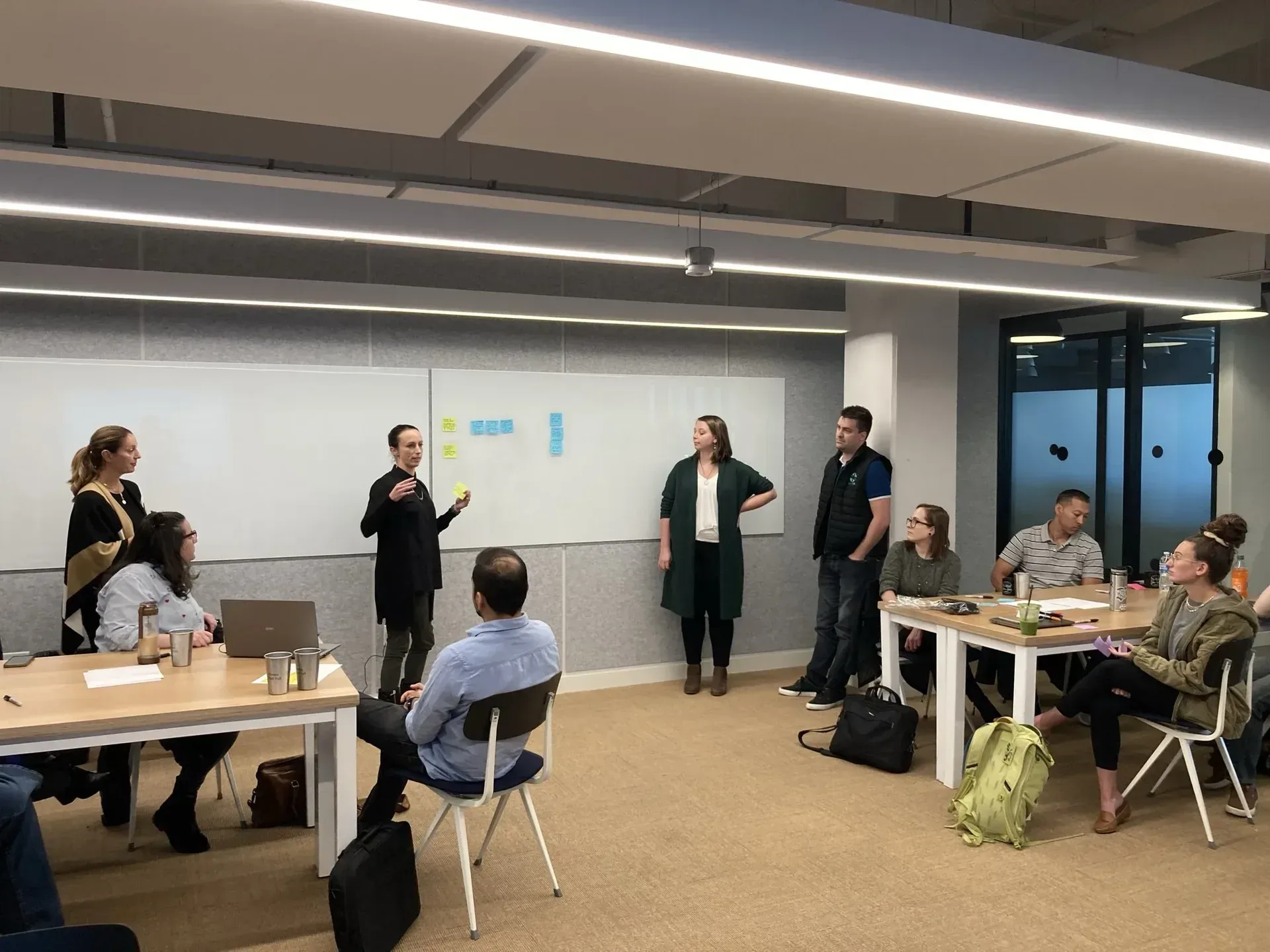
In order to assess the issue, I performed interviews with the game team to establish what bottlenecks and issues they were facing. Using these findings as a starting point, I facilitated a 2-day workshop with the game team and department heads, using a series of brainstorming and working sessions to identify solutions to the structural issues our team faced and how we might implement those solutions amidst ongoing projects.
Outcome
The workshop helped us identify underutilized skills and desires of each team member. The Game Department Director was able to leverage these insights and empower team members to make decisions within their specific field, significantly reducing decision-making bottlenecks and increasing trust. These changes contributed to the timely redesign of the flagship game, Ruins, so that it could be installed on-time in new locations.